Services and Facilities +info
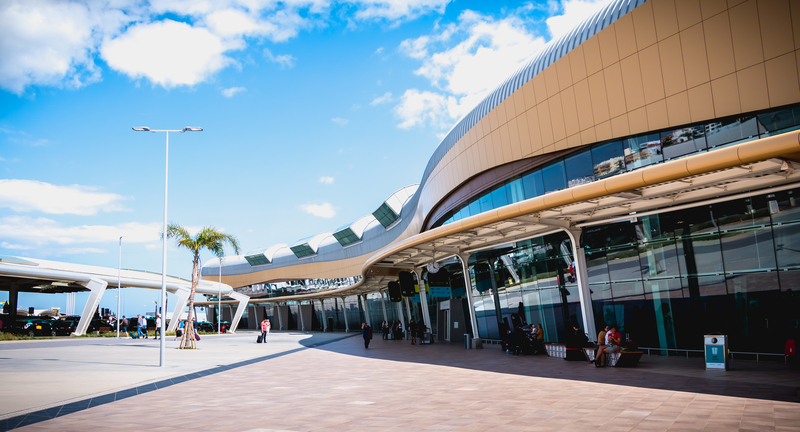
Faro Airport offers a wide range of services designed to ensure a smooth and comfortable passenger experience.
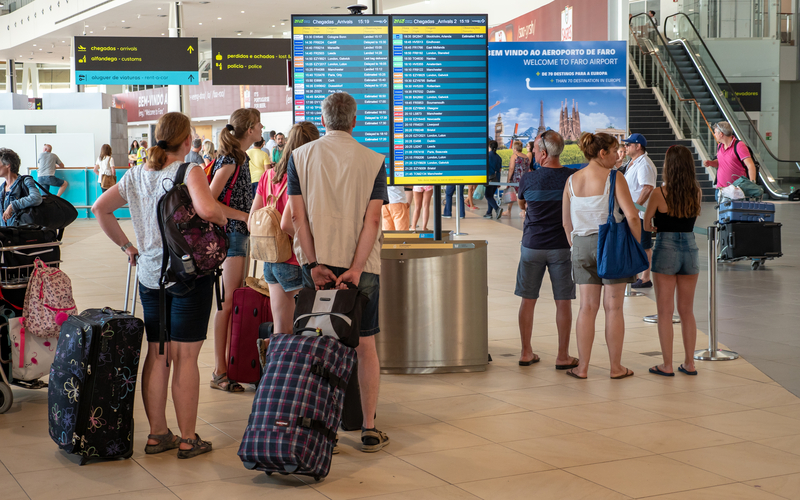
Travelers will find information counters, medical assistance, ATMs and currency exchange services throughout the terminal.
Families can benefit from baby care facilities, while all passengers enjoy free Wi-Fi access.
The airport also features tourist information desks, a good selection of restaurants and cafés,
Duty Free and retail shops, as well as a police station and other essential passenger support services.
Transport +info
Faro Airport (FAO) offers several transport options to reach the city centre and explore the Algarve, depending on your budget and travel needs.
Bus
Local buses (Lines 14 and 16) connect the airport with Faro city centre in about 20–30 minutes, making it the most economical option.
Taxi
Taxis provide a quick and comfortable transfer, reaching downtown Faro in around 10–15 minutes.
Train
There is no train station at the airport. The nearest one is 6 km away in Faro city, accessible by taxi or bus.
Private Transfers
A convenient door-to-door option, especially recommended if booked in advance.
Car Rental
Ideal for exploring the Algarve with full flexibility. A wide range of companies operate at the airport.
Faro Airport in Numbers
-Located 4 km from Faro
-Coordinates: 37°01’07.7"N 7°58’16.4"W
-36 boarding gates
-60 check-in desks
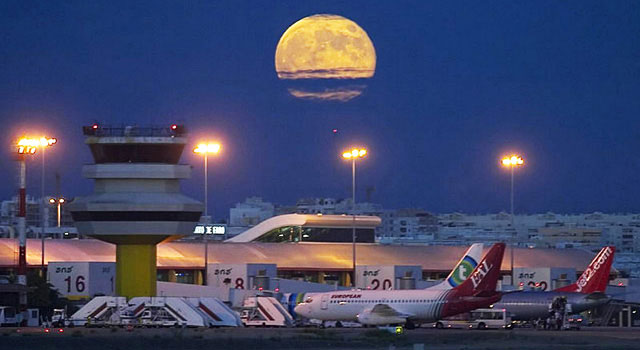
-22 aircraft stands (16 remote)
-1 runway (10/28)
-Operated by ANA-Aeroportos de Portugal
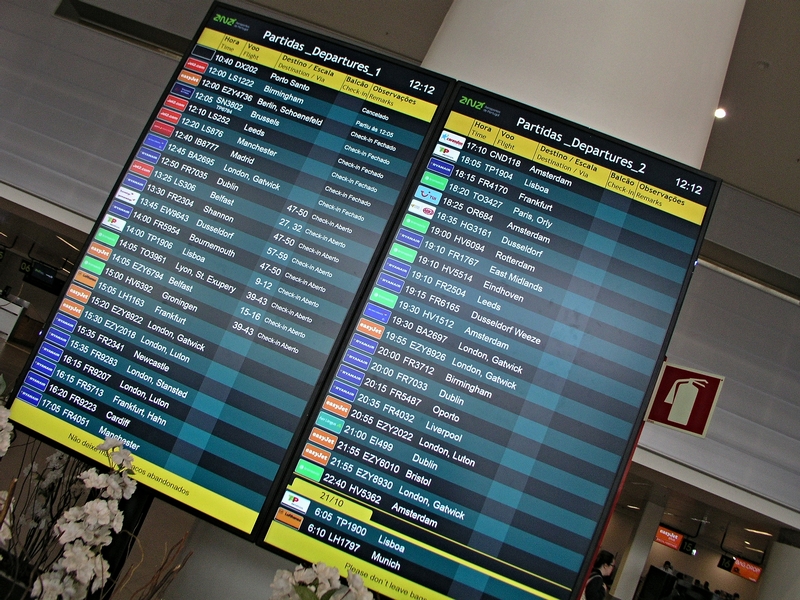
-Serves over 20 countries with 128 routes
-Hosts 41 airlines
-Third busiest airport in Portugal after Lisbon and Porto
Contact
Address: Faro Airport, 8006-901 Faro, Algarve, PORTUGAL
Phone: +351 289 800 800
Email: faro.airport@ana.pt
Lost Property: Lost items are delivered to the Police counter.
Official Website: https://www.faroairport.pt/
Reviews +info
On this website, you will find valuable tips and reviews about Faro Airport, designed to help you navigate your travel experience smoothly. These reviews can help you understand what to expect in terms of service quality, cleanliness, and overall passenger experience.
-Our Review of Faro Algarve Airport
-Pros and Cons of FAO Airport
-Mini-Guide of the Airport (2’ Guide)
-Other reviews
-Some Stats
About Faro +info
Faro, the capital of Portugal’s Algarve region, is a city rich in history and culture that combines a relaxing atmosphere with fascinating attractions. Ideal for enjoying with family or friends, Faro offers activities like surfing and the opportunity to taste its traditional cuisine.
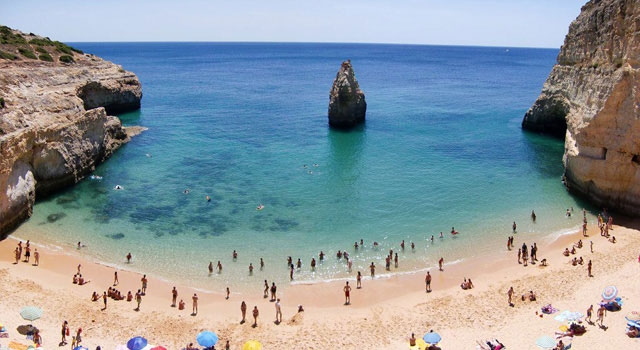
The city is surrounded by the Ria Formosa Natural Park, a unique ecosystem of saltwater lagoons and marshes that hosts migratory birds and marine life. Its beaches, such as Praia de Faro and Ilha Deserta, are perfect for enjoying the Mediterranean climate and exploring its rocky coastline. For nature lovers, boat trips through the barrier islands of the park are a must, with options including dolphin watching and visits to sustainable restaurants.
Faro also stands out for its historical wealth. Its old town, known as Cidade Velha, is surrounded by Roman and Moorish walls and features cobblestone streets and white buildings adorned with tiles. Among its main monuments are the Sé Cathedral, with a bone chapel and panoramic views from its tower; the Arco da Vila, a neoclassical entrance to the old town; and the Municipal Museum, located in an old convent that houses Roman and medieval artifacts.
Additionally, Faro has a vibrant urban life outside the walls, with pedestrian streets filled with shops, lively squares, and a varied gastronomic offer. The city combines history, nature, and modernity, making it an essential destination in the Algarve.